AERODYNAMICS
Official Manual of Occupational Risk Prevention and Emergency Protocols
Industrial Safety Knowledge Base
Guide for immediate action in case of incidents. Locate the necessary protocol.

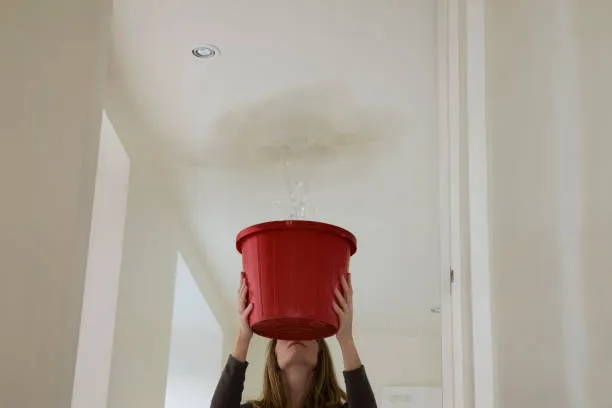
Leaks and Seepage
- Disconnect and move electronic equipment away from the area.
- Use containers to hold the water immediately.
- Mark the area to prevent falls on the same level.
- Mandatory notice to Infrastructure Maintenance.
Act and Report

Flood
- TOTAL CUT of energy in the overall picture.
- Move documents and equipment to high shelves.
- Move documents and equipment to high shelves.
- Follow the instructions of the Emergency Manager.
Electrical Cut
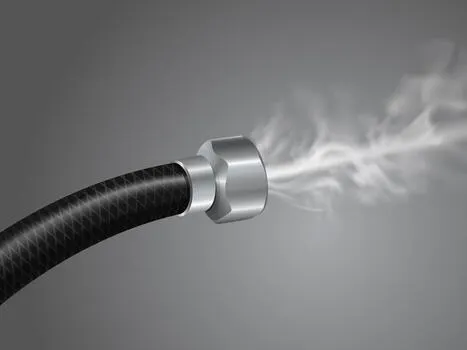
Gas / Vapor Leak
- The use of mobile phones or lights is prohibited in the area.
- Generate airflow by opening external access points.
- Close section valves if visibility is good.
- Evacuate and alert 112 from a safe zone.
Explosive Zone
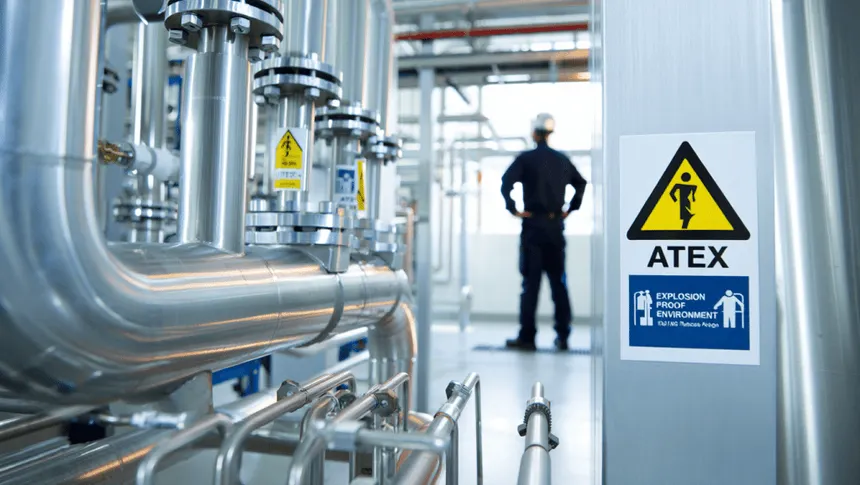
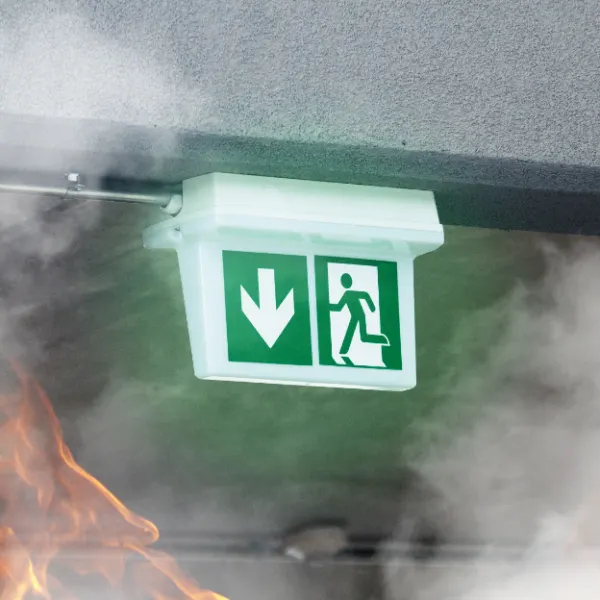
Fire
- Press the fire alarm immediately.
- Fire extinguisher only for incipient fires (initial fires).
- Evacuate via stairs. NEVER use the elevator.
- Meeting at the Outdoor Meeting Point.
Call 112


Vital Medical Emergency
- Assess consciousness (speak and move gently).
- Call 112 indicating symptoms and pulse.
- Recovery position if unconscious.
- Do not administer liquids or medications.
Life Support
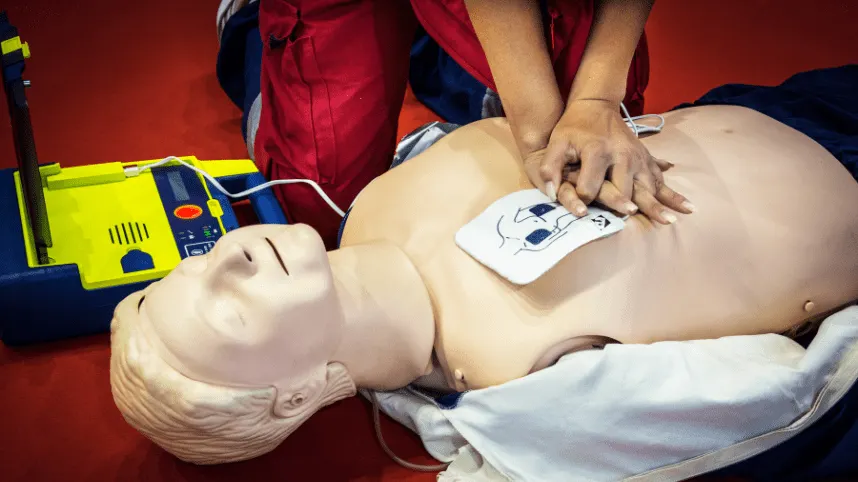

Treatments and Minor Accidents
- Wound cleaning with saline solution and antiseptic.
- Use sterile gauze (not cotton on wounds).
- First aid kit available in Reception and Workshop.
- Mandatory recording of the incident in OSH.
First aid

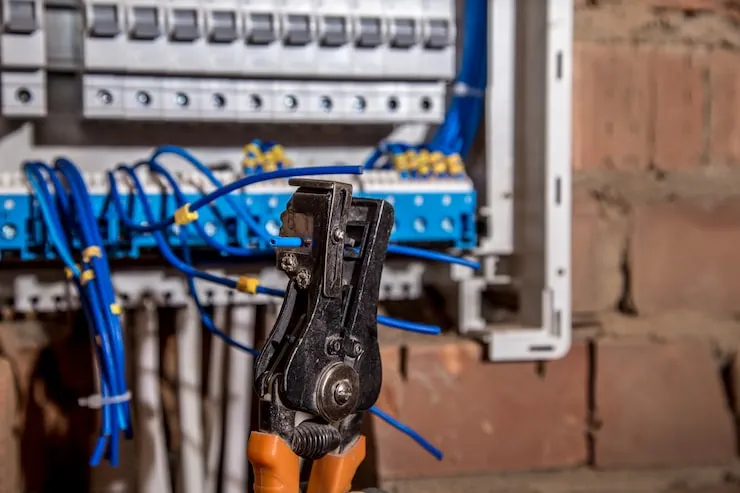
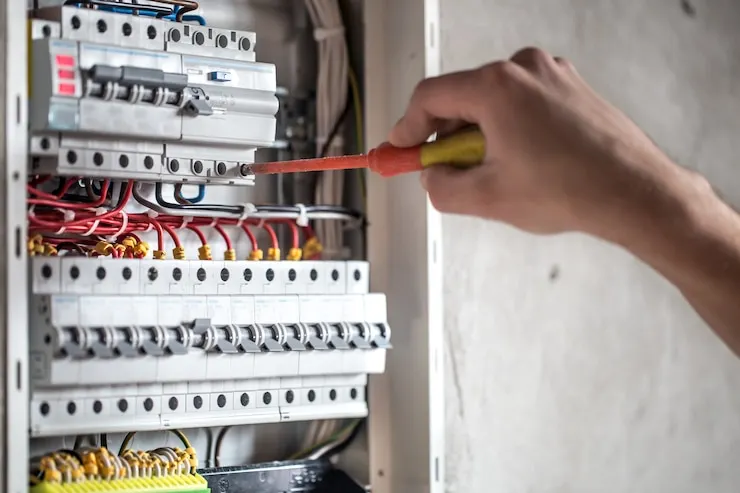
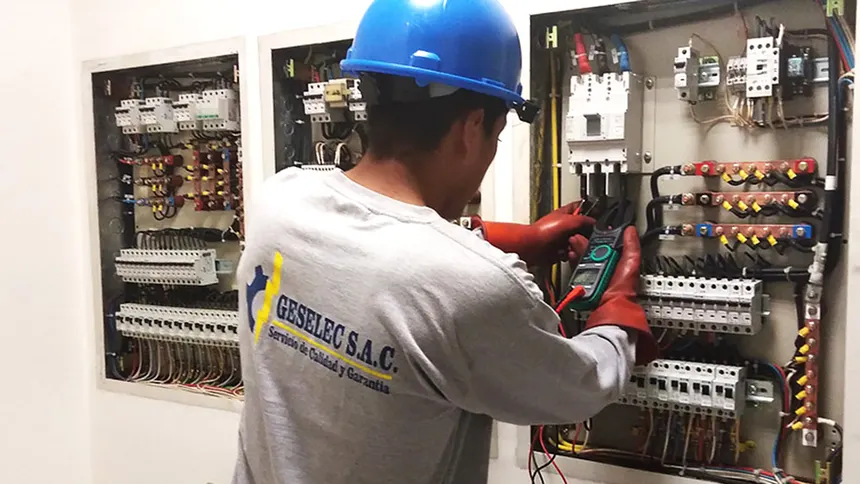
Power / Network Outage
- Cessation of activity on equipment without battery.
- Emergency lighting verification.
- Disconnect heavy loads to avoid bouncing.
- Do not open boxes unless you are authorized personnel.
No Tension
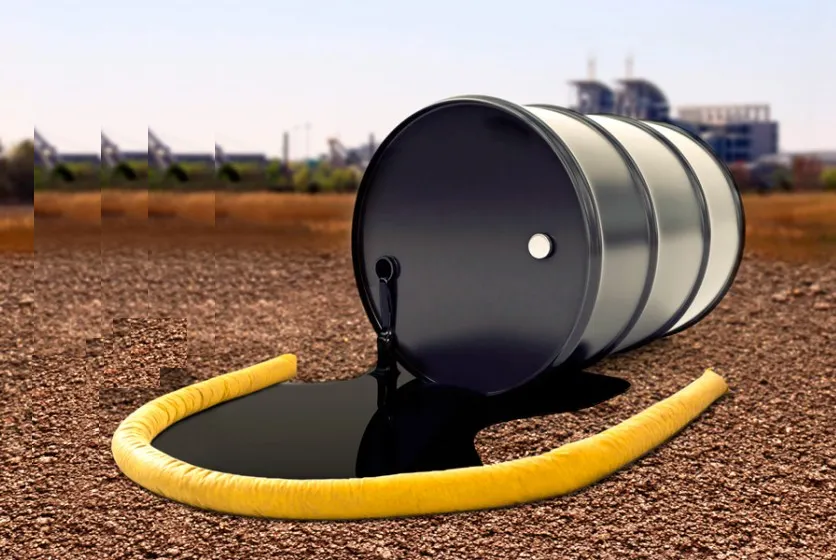
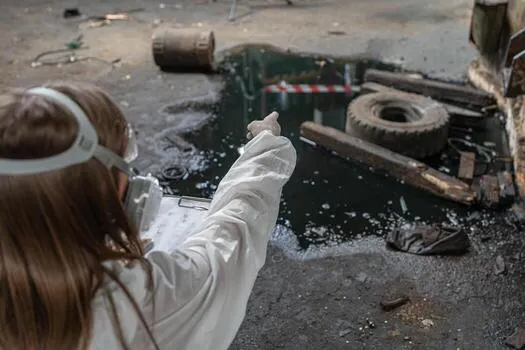
Spills / Fuels
- Avoid contact with skin and eyes immediately.
- Containment with sepiolite or absorbent barriers.
- Mandatory use of gloves and vapor mask.
- Disposal as managed hazardous waste.
Pollution

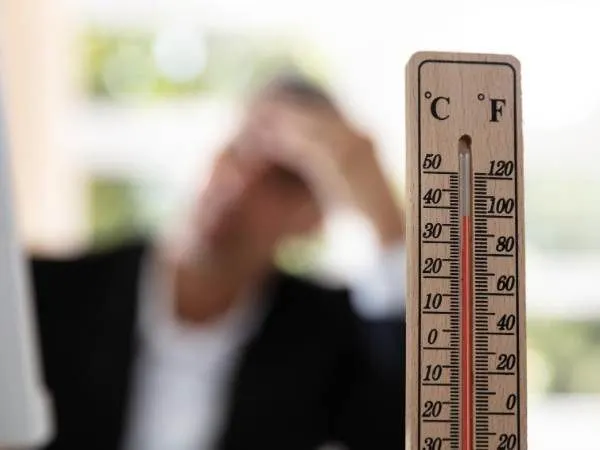
Heat Stress
- Hydration is mandatory every 20 minutes.
- Job rotation in high exposure areas.
- Use of air conditioning and forced ventilation.
- Monitoring for dizziness or physical exhaustion.
Thermal Risk